Python API (Advanced Level)
If you are looking for beginner or Intermediate Python API, → Python API (Beginner Level) Python API (Intermediate Level)
What is the importance of security in API?
🛡️ The Importance of API Security
Think of an API (Application Programming Interface) as a digital gateway or a counter at a bank. It’s the public-facing access point that allows other applications to request data or perform actions. Just as a bank needs security to protect its vaults and serve the right customers, an API needs security to protect an organization's data and services.
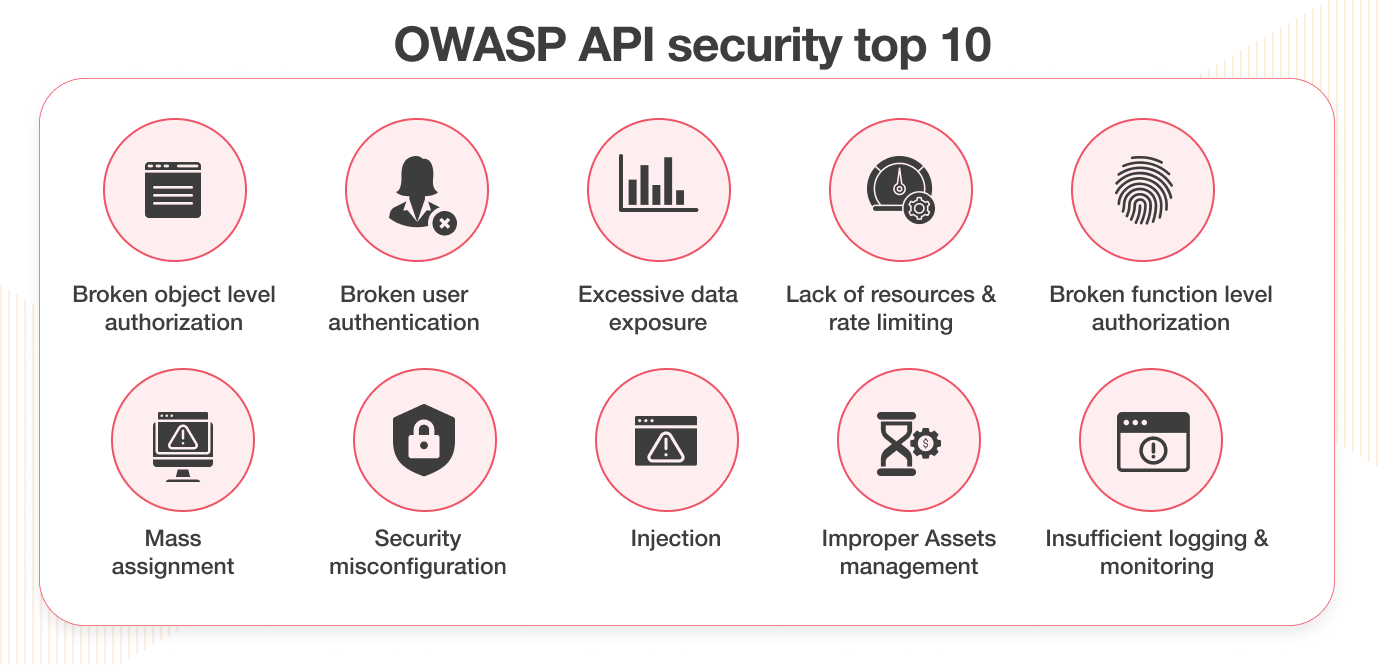
Data Protection
APIs are the pipelines to a company's most valuable asset: its data. An insecure API is an open invitation for a data breach, exposing sensitive information like user credentials, personal details, financial records, and private messages. Strong security is the first and last line of defense against this theft.
Access Control
Security isn't just about keeping everyone out; it's about letting the right people in and limiting what they can do. This is a two-part process:
- Authentication (Who are you?): This is the process of verifying a user's identity, typically by logging them in with a password and issuing a token (like a JWT). It's the bouncer at the door checking an ID.
- Authorization (What are you allowed to do?): Once a user is authenticated, this process checks their permissions. A regular user might be authorized to read their own data, but an admin user is authorized to write or delete data. This prevents a regular user from accessing an admin-only endpoint, even if they are logged in.
Trust and Reputation
A single, high-profile API breach can be catastrophic for a business. It instantly erodes customer trust, which is incredibly difficult to rebuild. This loss of trust leads to customer churn, negative press, and severe damage to a brand's reputation. Furthermore, failing to secure data can result in massive legal and financial penalties from regulatory bodies (like GDPR, HIPAA, or CCPA).
Preventing Abuse and Disruption
Beyond data theft, API security protects the availability and integrity of the service itself. Without security, malicious actors can:
- Overwhelm the service with a Denial of Service (DoS) attack.
- Abuse functionality, such as by creating millions of spam accounts.
- Scrape data on a massive scale.
Security measures like rate-limiting (limiting how many requests a user can make per minute) and input validation (blocking malformed requests) are essential to keep the API stable and reliable for legitimate users.
Ultimately, API security is not an optional feature. It is a fundamental, non-negotiable requirement for protecting data, maintaining user trust, and ensuring a service remains reliable.
Below are the few main files of the project with code snippets. (github link for the complete project is given at the end of this page)
  # main.py
from fastapi import FastAPI, HTTPException, status, Depends
from sqlalchemy.ext.asyncio import AsyncSession
from typing import List, Optional
from contextlib import asynccontextmanager
from enum import Enum

from . import crud, schemas, models
from .database import get_async_session, create_db_and_tables, AsyncSessionFactory
from .security import get_current_user, get_current_admin_user
from . import auth


# --- Enums for Sorting ---
class SortableFields(str, Enum):
    emp_id = "emp_id"
    emp_name = "emp_name"
    emp_dob = "emp_dob"
    city = "city"
    country = "country"


class SortOrder(str, Enum):
    asc = "asc"
    desc = "desc"


@asynccontextmanager
async def lifespan(app: FastAPI):
    print("Creating database and tables...")
    await create_db_and_tables()
    print("Database and tables created.")

    print("Checking for admin user...")
    async with AsyncSessionFactory() as session:
        admin_user = await crud.get_user_by_username(session, "admin")
        if not admin_user:
            print("Admin user not found, creating one...")
            admin_user_data = schemas.UserCreate(
                username="admin",
                password="adminpassword"
            )
            await crud.create_admin_user(session, admin_user_data)
            print("Admin user 'admin' created.")
        else:
            print("Admin user already exists.")

    yield


app = FastAPI(
    title="Employee Management API (Production Ready)",
    description="A secure, high-performance API using SQLModel, PostgreSQL, OAuth2, and Auth scopes.",
    lifespan=lifespan,
)

app.include_router(auth.router)


# --- API Endpoints ---

@app.get("/")
def read_root():
    return {"message": "Welcome to the Employee Management API."}


@app.post(
    "/employees/",
    response_model=schemas.EmployeeRead,
    status_code=status.HTTP_201_CREATED,
    tags=["Employees"]
)
async def create_employee_endpoint(
        employee_input: schemas.EmployeeCreate,
        db: AsyncSession = Depends(get_async_session),
        current_admin: models.User = Depends(get_current_admin_user)
):
    """Create a new employee record. (Admin Only)"""
    return await crud.create_employee(db=db, employee=employee_input)


@app.get("/employees/", response_model=List[schemas.EmployeeRead], tags=["Employees"])
async def get_all_employees_endpoint(
        db: AsyncSession = Depends(get_async_session),
        current_user: models.User = Depends(get_current_user),
        offset: int = 0,
        limit: int = 100,
        city: Optional[str] = None,
        country: Optional[str] = None,
        sort_by: SortableFields = SortableFields.emp_id,
        order: SortOrder = SortOrder.asc
):
    """
    Retrieve all employees. (Authenticated Users Only)
    Supports pagination, filtering by city/country, and sorting.
    """
    return await crud.get_all_employees(
        db=db,
        offset=offset,
        limit=limit,
        city=city,
        country=country,
        sort_by=sort_by.value,
        order=order.value
    )


@app.get("/employees/{emp_id}", response_model=schemas.EmployeeRead, tags=["Employees"])
async def get_employee_by_emp_id_endpoint(
        emp_id: int,
        db: AsyncSession = Depends(get_async_session),
        current_user: models.User = Depends(get_current_user)
):
    """Retrieve an employee by their emp_id. (Authenticated Users Only)"""
    employee = await crud.get_employee_by_emp_id(db, emp_id)
    if not employee:
        raise HTTPException(
            status_code=404,
            detail=f"Employee with emp_id '{emp_id}' not found"
        )
    return employee


@app.patch("/employees/{emp_id}", response_model=schemas.EmployeeRead, tags=["Employees"])
async def update_employee_by_emp_id_endpoint(
        emp_id: int,
        updated_details: schemas.EmployeeUpdate,
        db: AsyncSession = Depends(get_async_session),
        current_admin: models.User = Depends(get_current_admin_user)
):
    """
    Updates the record for a specific employee. (Admin Only)
    This uses PATCH logic (only updates provided fields).
    """
    updated_employee = await crud.update_employee(
        db=db,
        emp_id=emp_id,
        employee_update=updated_details
    )
    if not updated_employee:
        raise HTTPException(
            status_code=404,
            detail=f"Employee with emp_id '{emp_id}' not found"
        )
    return updated_employee


@app.delete(
    "/employees/{emp_id}",
    status_code=status.HTTP_204_NO_CONTENT,
    tags=["Employees"]
)
async def delete_employee_by_emp_id_endpoint(
        emp_id: int,
        db: AsyncSession = Depends(get_async_session),
        current_admin: models.User = Depends(get_current_admin_user)
):
    """Delete an employee using their emp_id. (Admin Only)"""
    success = await crud.delete_employee(db=db, emp_id=emp_id)
    if not success:
        raise HTTPException(
            status_code=404,
            detail=f"Employee with emp_id '{emp_id}' not found"
        )
    return None
# database.py
import os
from sqlmodel import SQLModel
from sqlalchemy.ext.asyncio import AsyncSession, create_async_engine
from sqlalchemy.orm import sessionmaker
from dotenv import load_dotenv

load_dotenv()

 DATABASE_URL = os.getenv("DATABASE_URL")

 if not DATABASE_URL:
    raise ValueError("DATABASE_URL environment variable is not set")

 # Create the async engine
 engine = create_async_engine(DATABASE_URL, echo=True, future=True)

 # Session factory for creating new async sessions
 AsyncSessionFactory = sessionmaker(
    bind=engine,
    class_=AsyncSession,
    expire_on_commit=False,  # Good practice for async
)


 async def create_db_and_tables():
    """Initializes the database tables."""
    async with engine.begin() as conn:
        await conn.run_sync(SQLModel.metadata.create_all)


 async def get_async_session() -> AsyncSession:
    """FastAPI dependency to get an async database session."""
    async with AsyncSessionFactory() as session:
        yield session
  # models.py
import uuid
from sqlmodel import SQLModel, Field
from datetime import date
from typing import Optional

class Employee(SQLModel, table=True):
    id: Optional[uuid.UUID] = Field(
        default_factory=uuid.uuid4,
        primary_key=True,
        index=True
    )
    emp_id: int = Field(unique=True, index=True)
    emp_name: str
    city: str
    country: str
    emp_dob: date

 class User(SQLModel, table=True):
    id: Optional[int] = Field(default=None, primary_key=True)
    username: str = Field(unique=True, index=True)
    hashed_password: str
    is_admin: bool = Field(default=False)
  # crud.py
from sqlmodel import SQLModel, select
from sqlalchemy.ext.asyncio import AsyncSession
from sqlalchemy.exc import IntegrityError
from fastapi import HTTPException, status
from .models import Employee, User
from .schemas import EmployeeCreate, EmployeeUpdate, UserCreate
from typing import List, Optional
from .security import get_password_hash


# --- Employee CRUD ---

async def create_employee(db: AsyncSession, employee: EmployeeCreate) -> Employee:
    existing = await get_employee_by_emp_id(db, employee.emp_id)
    if existing:
        raise HTTPException(
            status_code=status.HTTP_409_CONFLICT,
            detail=f"Employee business ID '{employee.emp_id}' already exists"
        )

    db_employee = Employee.model_validate(employee)

    try:
        db.add(db_employee)
        await db.commit()
        await db.refresh(db_employee)
        return db_employee
    except IntegrityError:
        await db.rollback()
        raise HTTPException(
            status_code=status.HTTP_409_CONFLICT,
            detail="Conflict: A race condition occurred or emp_id was just created."
        )


async def get_employee_by_emp_id(db: AsyncSession, emp_id: int) -> Optional[Employee]:
    statement = select(Employee).where(Employee.emp_id == emp_id)
    result = await db.execute(statement)
    return result.scalars().first()


async def get_all_employees(
        db: AsyncSession,
        offset: int,
        limit: int,
        city: Optional[str] = None,
        country: Optional[str] = None,
        sort_by: str = "emp_id",
        order: str = "asc"
) -> List[Employee]:
    statement = select(Employee)

    if city:
        statement = statement.where(Employee.city.ilike(f"%{city}%"))
    if country:
        statement = statement.where(Employee.country.ilike(f"%{country}%"))

    sort_column = getattr(Employee, sort_by, Employee.emp_id)
    if order.lower() == "desc":
        statement = statement.order_by(sort_column.desc())
    else:
        statement = statement.order_by(sort_column.asc())

    statement = statement.offset(offset).limit(limit)

    result = await db.execute(statement)
    return result.scalars().all()


async def update_employee(
        db: AsyncSession,
        emp_id: int,
        employee_update: EmployeeUpdate
) -> Optional[Employee]:
    db_employee = await get_employee_by_emp_id(db, emp_id)
    if not db_employee:
        return None

    update_data = employee_update.model_dump(exclude_unset=True)

    for key, value in update_data.items():
        setattr(db_employee, key, value)

    db.add(db_employee)
    await db.commit()
    await db.refresh(db_employee)
    return db_employee


async def delete_employee(db: AsyncSession, emp_id: int) -> bool:
    db_employee = await get_employee_by_emp_id(db, emp_id)
    if not db_employee:
        return False

    await db.delete(db_employee)
    await db.commit()
    return True


# --- User CRUD ---

 async def get_user_by_username(db: AsyncSession, username: str) -> Optional[User]:
    statement = select(User).where(User.username == username)
    result = await db.execute(statement)
    return result.scalars().first()


 async def create_user(db: AsyncSession, user: UserCreate) -> User:
    existing = await get_user_by_username(db, user.username)
    if existing:
        raise HTTPException(
            status_code=status.HTTP_409_CONFLICT,
            detail="Username already exists"
        )

    hashed_password = get_password_hash(user.password)
    db_user = User(
        username=user.username,
        hashed_password=hashed_password,
        is_admin=False  # Regular users are not admin
    )

    db.add(db_user)
    await db.commit()
    await db.refresh(db_user)
    return db_user


 async def create_admin_user(db: AsyncSession, user: UserCreate) -> User:
    """A special function to create an admin user."""
    if await get_user_by_username(db, user.username):
        raise HTTPException(status_code=409, detail="Username exists")

    hashed_password = get_password_hash(user.password)
    db_user = User(
        username=user.username,
        hashed_password=hashed_password,
        is_admin=True
    )

    db.add(db_user)
    await db.commit()
    await db.refresh(db_user)
    return db_user
  # security.py
import os
from datetime import datetime, timedelta, timezone
from typing import Optional
from jose import JWTError, jwt
from passlib.context import CryptContext
from fastapi import Depends, HTTPException, status
from fastapi.security import OAuth2PasswordBearer
from sqlalchemy.ext.asyncio import AsyncSession
 from dotenv import load_dotenv

 from . import schemas, crud
 from .database import get_async_session
 from .models import User

 load_dotenv()

 # --- CONFIGURATION ---
 SECRET_KEY = os.getenv("JWT_SECRET_KEY")
 ALGORITHM = os.getenv("JWT_ALGORITHM")
 ACCESS_TOKEN_EXPIRE_MINUTES = int(os.getenv("ACCESS_TOKEN_EXPIRE_MINUTES", 30))

 if not SECRET_KEY:
    raise ValueError("JWT_SECRET_KEY environment variable is not set")

 # Password Hashing Context
 pwd_context = CryptContext(schemes=["bcrypt"], deprecated="auto")

 # OAuth2 Scheme
 oauth2_scheme = OAuth2PasswordBearer(tokenUrl="/auth/token")


 # --- PASSWORD UTILITIES ---

 def verify_password(plain_password: str, hashed_password: str) -> bool:
    return pwd_context.verify(plain_password, hashed_password)


 def get_password_hash(password: str) -> str:
    return pwd_context.hash(password)


 # --- JWT TOKEN UTILITIES ---

 def create_access_token(data: dict, expires_delta: Optional[timedelta] = None):
    to_encode = data.copy()
    if expires_delta:
        expire = datetime.now(timezone.utc) + expires_delta
    else:
        expire = datetime.now(timezone.utc) + timedelta(minutes=ACCESS_TOKEN_EXPIRE_MINUTES)

    to_encode.update({"exp": expire})
    encoded_jwt = jwt.encode(to_encode, SECRET_KEY, algorithm=ALGORITHM)
    return encoded_jwt


 # --- AUTHENTICATION & DEPENDENCIES ---

 async def get_current_user(
        token: str = Depends(oauth2_scheme),
        db: AsyncSession = Depends(get_async_session)
 ) -> User:
    credentials_exception = HTTPException(
        status_code=status.HTTP_401_UNAUTHORIZED,
        detail="Could not validate credentials",
        headers={"WWW-Authenticate": "Bearer"},
    )

    try:
        payload = jwt.decode(token, SECRET_KEY, algorithms=[ALGORITHM])
        username: str = payload.get("sub")
        if username is None:
            raise credentials_exception
        token_data = schemas.TokenData(username=username)
    except JWTError:
        raise credentials_exception

    user = await crud.get_user_by_username(db, username=token_data.username)
    if user is None:
        raise credentials_exception

    return user


 async def get_current_admin_user(
        current_user: User = Depends(get_current_user)
 ) -> User:
    """
    A dependency that checks if the current user is an admin.
    """
    if not current_user.is_admin:
        raise HTTPException(
            status_code=status.HTTP_403_FORBIDDEN,
            detail="The user does not have administrative privileges"
        )
    return current_user
1. Project File Structure
The project is organized into a main application package (app) and a root-level directory for configuration and testing. This separation of concerns (SoC) is standard for professional FastAPI applications.
      project_root/
      ├── .venv/               # Virtual environment folder
      ├── app/                 # Main application package
      │   ├── __init__.py      # Makes 'app' a Python package
      │   ├── main.py          # FastAPI app object, endpoints, lifespan
      │   ├── auth.py          # /auth/token and /auth/register routes
      │   ├── crud.py          # Database logic (Create, Read, Update, Delete)
      │   ├── database.py      # Database connection (engine, session)
      │   ├── models.py        # Database table definitions (SQLModel)
      │   ├── schemas.py       # API data validation schemas (Pydantic/SQLModel)
      │   └── security.py      # Auth logic (JWT, password hashing, dependencies)
      │
      ├── tests/               # Application test suite
      │   ├── __init__.py      # Makes 'tests' a package
      │   └── test_api.py      # All API integration tests
      │
      ├── .env                 # Stores secrets (DB URL, JWT key)
      ├── conftest.py          # Pytest setup and fixtures (e.g., test client)
      └── requirements.txt     # All project dependencies
2. Core Technology Stack
The API is built on a modern, asynchronous Python stack:
- FastAPI: A high-performance web framework for building APIs. Used for its speed, async capabilities, and automatic documentation.
- SQLModel: Serves as both the ORM (like SQLAlchemy) and the data validation layer (like Pydantic). This simplifies code by defining a single class for both the database table and the API schema.
- PostgreSQL: A powerful, open-source relational database used for the production environment.
- Asyncpg: The asynchronous database driver that allows our FastAPI application to communicate with PostgreSQL without blocking.
- Uvicorn: The ASGI server that runs the FastAPI application.
3. Security: Authentication & Authorization
Security is a core feature, split into two parts: proving who you are (Authentication) and what you're allowed to do (Authorization).
Authentication: OAuth2 & JWT
The API uses the standard OAuth2 Password Flow for user login.
- A user sends their
usernameandpasswordto the/auth/tokenendpoint. - The server verifies the credentials against the
Usertable (usingpasslibfor secure password hashing). - If successful, the server generates and returns a JSON Web Token (JWT). This token is a signed, short-lived (30 min) credential.
- The user (e.g., a web browser) must include this token in the
Authorization: Bearer <token>header for all future requests to secure endpoints.
Authorization: Admin-Only Routes
Not all users are equal. The User model has an is_admin flag to enforce different permissions. This is handled by FastAPI dependencies.
- Regular Users can log in and perform read-only actions (like
GET /employees/). - Admin Users can do everything regular users can do, *plus* all write operations (
POST,PATCH,DELETE).
This is enforced in the code by using a specific dependency. Any endpoint that requires an admin will fail with a 403 Forbidden error if a regular user tries to access it.
# This dependency checks for a valid token AND the is_admin flag
from .security import get_current_admin_user

@app.post("/employees/", tags=["Employees"])
async def create_employee_endpoint(
    employee_input: schemas.EmployeeCreate,
    current_admin: models.User = Depends(get_current_admin_user)
):
# This code will only run if the user is a logged-in admin
  return await crud.create_employee(db=db, employee=employee_input)
4. Performance & Scalability
The API is designed to handle a large number of requests and a large amount of data efficiently.
Asynchronous Operations
The entire application is async, from the API endpoints down to the database queries. This means the server can handle many concurrent connections without getting stuck waiting for one slow operation to finish.
Pagination
The GET /employees/ endpoint is paginated to prevent it from ever trying to send millions of records at once. It accepts limit and offset query parameters.
GET /employees/?limit=50&offset=100
This request fetches 50 employees, starting after the first 100. This keeps database queries and JSON response payloads small and fast.
Database Indexing
To ensure lookups are fast even with millions of rows, database indexes are placed on key fields in models.py. This makes find operations (like finding a user by username or an employee by emp_id) nearly instantaneous (O(log N) complexity).
 class Employee(SQLModel, table=True):
    id: Optional[uuid.UUID] = Field(..., primary_key=True)
    emp_id: int = Field(unique=True, index=True) # <-- Indexed

 class User(SQLModel, table=True):
    id: Optional[int] = Field(..., primary_key=True)
    username: str = Field(unique=True, index=True) # <-- Indexed
5. Data Integrity & Validation
The API uses Pydantic (via SQLModel) to enforce strict data validation rules. This prevents bad data from ever reaching the database.
- Type Enforcement:
emp_id*must* be an integer,emp_dob*must* be a valid date. - Business Logic: We added custom rules:
- The
emp_idmust be greater than 0 (ge=1). - The
emp_dob(date of birth) cannot be a date in the future.
- The
# This code is in app/schemas.py
class EmployeeBase(SQLModel):
  emp_id: int = Field(..., ge=1) # "ge=1" means "greater than or equal to 1"
  emp_dob: date = Field(...)

  # This custom validator runs on all incoming data
  @field_validator('emp_dob', mode='before')
  def validate_dob_not_in_future(cls, v):
      if v > date.today():
          raise ValueError("Date of birth cannot be in the future")
      return v
If a user tries to POST data that violates these rules, the API automatically responds with a descriptive 422 Unprocessable Entity error.
6. Robust Testing Framework
The project includes a complete test suite using pytest to guarantee reliability and prevent regressions.
Database Isolation
The most important feature of the test setup is total database isolation.
- When the app runs normally, it connects to **PostgreSQL**.
- When
pytestruns, it overrides the database dependency and connects to a clean, in-memory SQLite database. - Every single test function gets a brand-new, empty database, which is completely destroyed after the test finishes.
Test Fixtures
conftest.py defines reusable "fixtures" to make testing simple. The most useful are:
client: A new, unauthenticated API client.normal_user_client: A client that is already logged in as a newly created regular user.admin_user_client: A client that is already logged in as a newly created admin user.
These independent clients fixed a complex test isolation bug, ensuring that tests don't share authentication tokens and can run in any order.
Test Coverage
The test suite in app/tests/test_api.py covers all critical paths:
- Happy Paths: Does creating/getting an employee work? (e.g.,
200 OK,201 Created) - Auth Errors: Does a missing token fail? (
401 Unauthorized) - Authorization Errors: Does a regular user fail to POST? (
403 Forbidden) - Validation Errors: Does a future date fail? (
422 Unprocessable Entity) - Conflict Errors: Does a duplicate
emp_idfail? (409 Conflict)
7. Quick Endpoint Reference
- POST
/auth/token- Login to get a token. - POST
/auth/register- Create a new regular user. - GET
/users/- Get a list of all users. - GET
/employees/- Get a paginated, filterable list of employees. - GET
/employees/{emp_id}- Get a single employee. - POST
/employees/- Create a new employee. - PATCH
/employees/{emp_id}- Update an existing employee. - DELETE
/employees/{emp_id}- Delete an employee.
How to Run This Code
- Code at GitHub: You can download the complete code from
Python API V.03. - Install dependencies: Open your terminal and install FastAPI and the Uvicorn server:
pip install fastapi "uvicorn[standard]" - Run the server: In the same terminal, run this command:
uvicorn app.main:app --reloadmain: The name of your file (main.py).app: The name of theFastAPI()object in your code.--reload: This makes the server restart automatically every time you save changes to the file. (This time the database will persist because its not an in-memory database.)
- View the API Docs: Open your browser and go to
http://127.0.0.1:8000/docs. You will see an interactive documentation page where you can test all your API endpoints.
If you are looking for more advanced Python API, → Python API (Beginner Level) Python API (Intermediate Level)